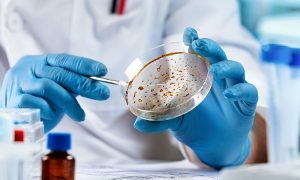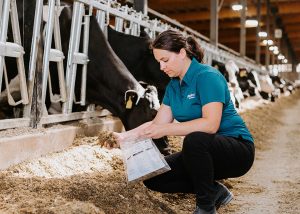
Molds and mycotoxins can happen anywhere and anytime from the field to the feed bunk. Plant stress, harvest conditions, storage challenges and poor feedout practices all increase the risk of mold growth and mycotoxin production.
How do we identify mycotoxins in the diet? Visible mold isn’t a reliable indicator, as feed that looks normal can often have extremely high levels of mycotoxins. Sampling methods are also often imprecise, as mycotoxins tend to be present in small pockets making it difficult to catch consistently.
That unpredictability is exactly why the best practice is to manage cows as if mycotoxins are always present in the diet.
When consumed, mycotoxins trigger a cascade of events which leads to rumen microbe inhibition, lower gut damage, organ damage and increased risk of secondary infections. The result? Sick cows, decreased milk production and poor reproduction.
The most common and well-researched mycotoxins impacting cows today include aflatoxin, deoxynivalenol (DON), fumonisin, zearalenone, trichothecene (T2) and ochratoxin.
Of these, aflatoxin is the most critical to control, as it is a regulated substance in milk with FDA limits of 0.5 ppb. Levels above 0.5 ppb can mean discarded milk and costly management requirements to bring future loads back into compliance. For the producer, this means lost income.
Managing molds and mycotoxins on-farm starts with quality harvest and storage practices – harvesting at the right time and in the right weather, proper silage packing, adequate feed moisture levels, strong fermentation and minimal surface exposure especially during feedout. Avoid feeding clearly moldy feed to high-risk animals like those in dry-off, transition or early lactation. Keep bunks and equipment clean and consider flow agents to support feed quality and consistency.
Mitigate challenges with improved feed hygiene
DeTerra 365™ is an anticaking agent for use in beef and dairy cow rations. Made from a calcium montmorillonite clay with a consistent portion of zeolite, it’s mined from a single source in the United States. Its unique structure allows it to bind moisture in feed, limiting the potential for mold growth and mycotoxin production while improving feedstuff flowability and quality.
DeTerra 365 was shown to reduce mortality, increase growth and support organ health when fed to chickens consuming an aflatoxin-contaminated diet (Figure 1). 1,2

In a 24-day study with 50 lactating Holstein cows, feeding DeTerra 365 resulted in reduced aflatoxin M1 in the milk of cows consuming an aflatoxin-contaminated diet. Additionally, somatic cell count was lower for cows consuming DeTerra 365 regardless of whether they were consuming an aflatoxin-contaminated diet or not (Figure 2).

The best time to address mycotoxins is before they cost you. Speak with your nutritionist about protecting your ration investment with DeTerra 365 or reach out to your local Papillon representative today.
- 1 Data on file
- 2 Internal data collected by Colorado Quality Research. Available upon request.
- 3 Internal data collected by North Carolina State University. Available upon request.
Certain statements may not be applicable in all geographical regions. Product-associated claims may differ based on government requirements.