Dealing With Dirty Forage? Get Protection That Performs!

Clostridial organisms are everywhere— including the soil that washes onto your field crops and into your silage bunkers from heavy rains and flooding.

CHARACTERISTICS OF DIRTY, CLOSTRIDIA PRONE FORAGE INCLUDE:

• High ash and mineral content
• Lower lactic acid; higher butyric acid
• High yeast, mold, and mycotoxin counts
• Increased presence of microorganisms

IMPACT OF CONTAMINATED FORAGE ON HERD HEALTH:

• Increased incidence of Hemorrhagic Bowl Syndrome (HBS)
• Greater variability in manure
• Increased digestive upsets and related deaths
• Reduced dry matter intake
• Decreased production performance
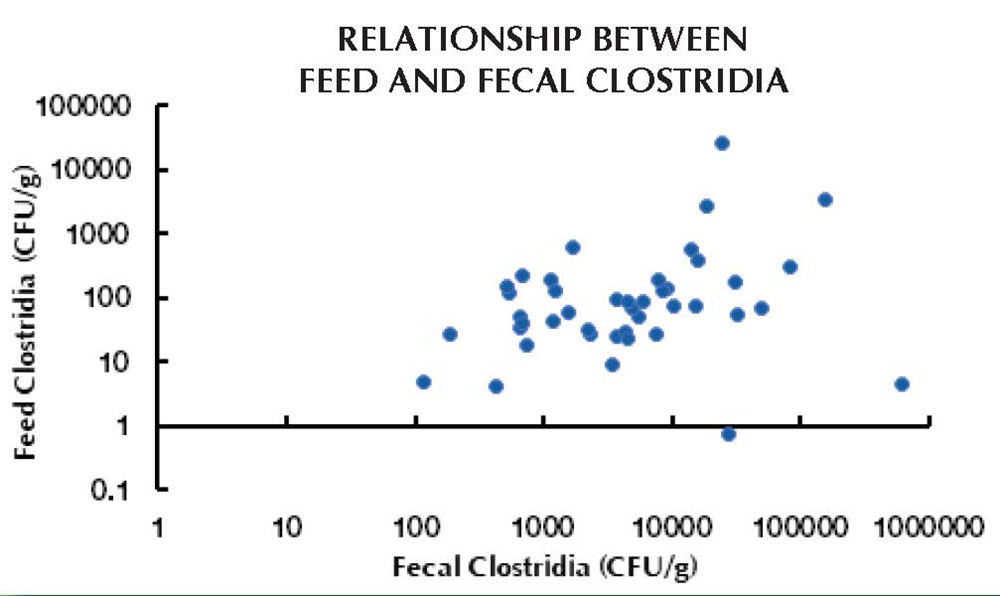
Feed vs Feces Chart

GET PROTECTION THAT PERFORMS WITH

BaciFlex logo


• Multiple strains of Bacillus defend against clostridia
• Targets toxigenic and non-toxigenic clostridia
• Fewer cows off feed
• Reduces digestive upsets & death losses
• Enhances production efficiency
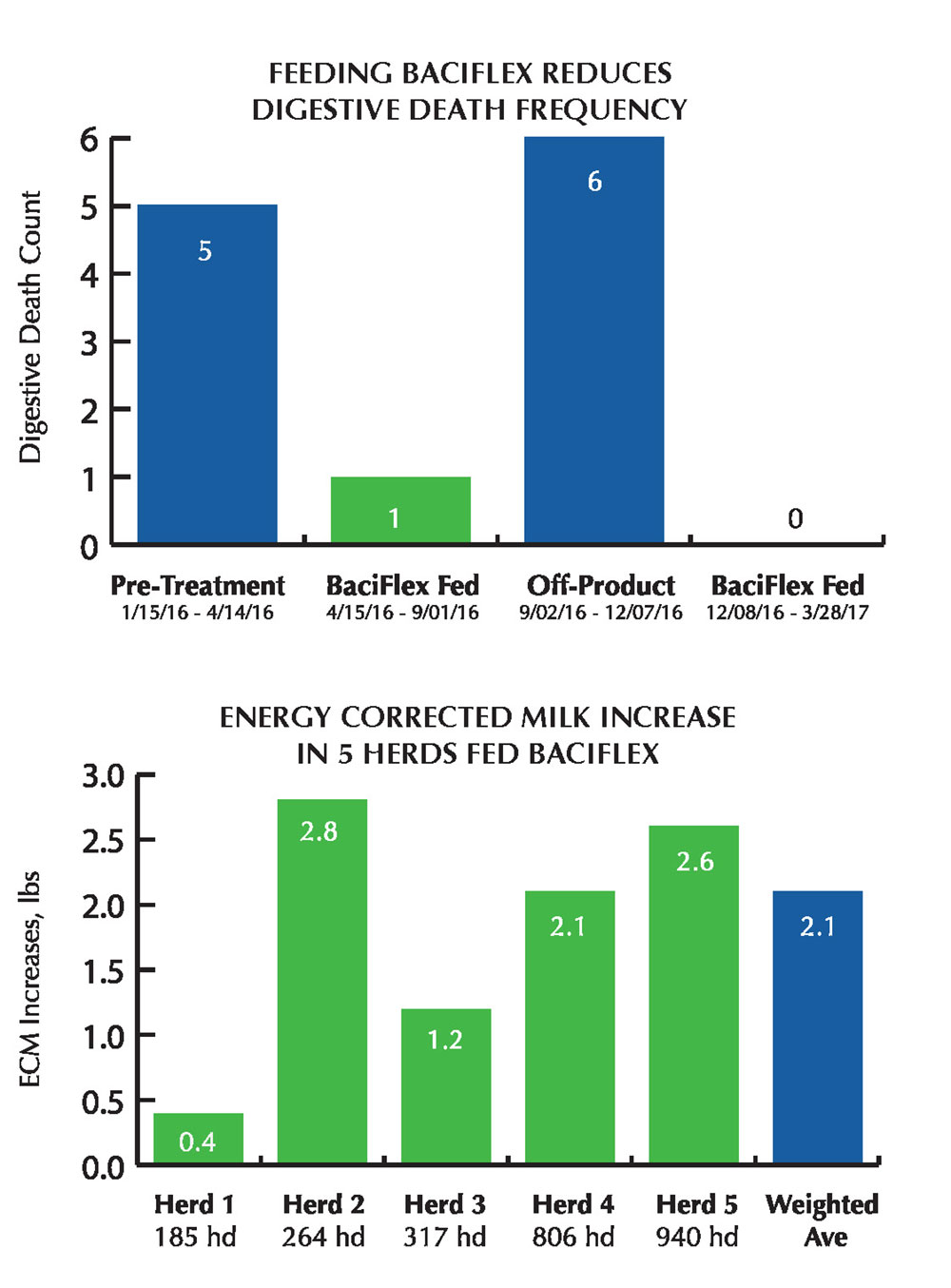
BaciFlex graphs


To learn more about BaciFlex, contact your regional sales manager today!
Share

Facebook
Twitter
LinkedIn

More Posts

A peek behind the process: How Papillon selects probiotic strains that perform

Probiotics have come a long way since fermented milk was first consumed in ancient Rome. At Papillon, selecting the right probiotic strains for BaciFlex is a rigorous, multi-step process — screening Bacillus subtilis strains not just for pathogen inhibition, but for gut integrity support, immune function, and compatibility across feed types. What sets Papillon apart is a commitment to re-evaluating those strains every 3–5 years using regional feed and fecal sampling data representing hundreds of thousands of cows. As pathogens evolve, so does BaciFlex — delivering a minimum of 95% inhibition o

Strong starts create stronger cows.

Strong starts create strong cows. Learn how early-life calf health, consistent nutrition, and proactive pathogen sampling programs like Papillon can reduce disease pressure, support growth, and improve long-term herd performance.