By Lori Weaver
New research is shedding more light on how to best detect hidden contaminants and reduce their impact on dairy cattle.
For the full article, please click here.

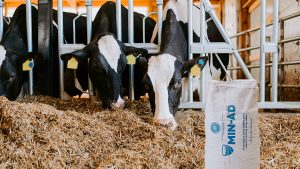
When dairy margins are tight, cheaper mineral alternatives can look like an easy win — but a 2025 case study tells a different story. Three dairies that switched from MIN-AD to an unproven substitute saw milk fat drop by nearly 0.2 points, somatic cell counts rise by up to 60 units, and culling rates climb 5–10 points. The combined impact averaged almost $1 per cow per day in lost profitability — more than $180,000 annually for a 500-cow operation. The data makes a clear case that research-backed mineral nutrition isn’t just a feed cost, it’s a bottom-line investment.
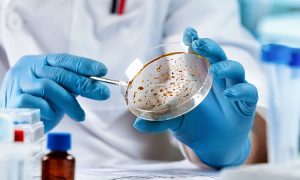
Probiotics have come a long way since fermented milk was first consumed in ancient Rome. At Papillon, selecting the right probiotic strains for BaciFlex is a rigorous, multi-step process — screening Bacillus subtilis strains not just for pathogen inhibition, but for gut integrity support, immune function, and compatibility across feed types. What sets Papillon apart is a commitment to re-evaluating those strains every 3–5 years using regional feed and fecal sampling data representing hundreds of thousands of cows. As pathogens evolve, so does BaciFlex — delivering a minimum of 95% inhibition o

Molds and mycotoxins can happen anywhere and anytime from the field to the feed bunk. Plant stress, harvest
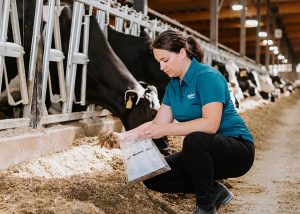
We have all heard phrases like “don’t fix what isn’t broken” or “don’t mess with success.” But when